
Freedom and the Need to Live
The SympathizerThe ending transforms liberation from an abstract political promise into a precarious personal determination to survive without claiming that survival resolves history.
increasing Bearing strength in each event
 decreasing
Bearing strength in each eventdecreasingLife as a Political Promise
Life as a Political Promise
Freedom as a Cause
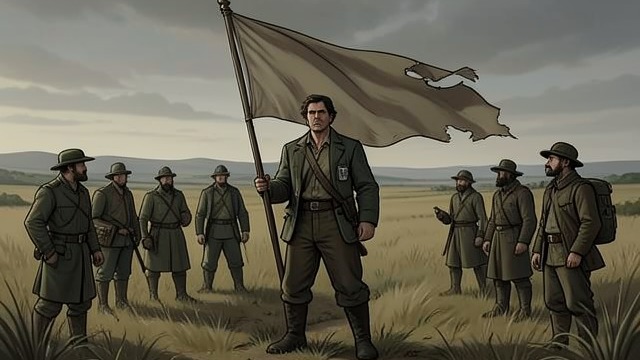
The narrator learns to understand independence and freedom as values worth risking death for. The revolution offers a language through which oppressed people can imagine a collective future.
Sacrifice Becomes Expected
As the narrator grows older, he sees how leaders on different sides ask others to sacrifice themselves. The promise of freedom can inspire courage while also making individual lives seem expendable.
The novel asks whether a political ideal remains liberating when its defenders can demand unlimited sacrifice in its name.
The People Asked to Die
The People Asked to Die
Competing Calls to Sacrifice
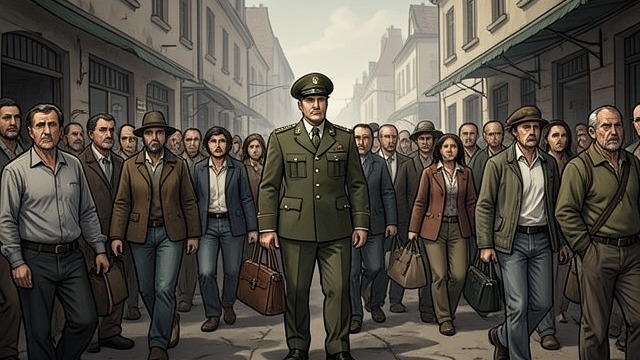
Leaders call on soldiers and civilians to fight while many powerful figures arrange their own escape. The narrator sees a gulf between public declarations and private survival plans.
Sacrifice Without Consent
Ordinary people become refugees, casualties, and abandoned allies without choosing the war that consumes them. The language of national duty does not guarantee protection or recognition.
The contrast undermines any simple belief that sacrifice is automatically noble or that those who demand it share its risks.
A Mission with No Guarantee
A Mission with No Guarantee
The Volunteers’ Choice
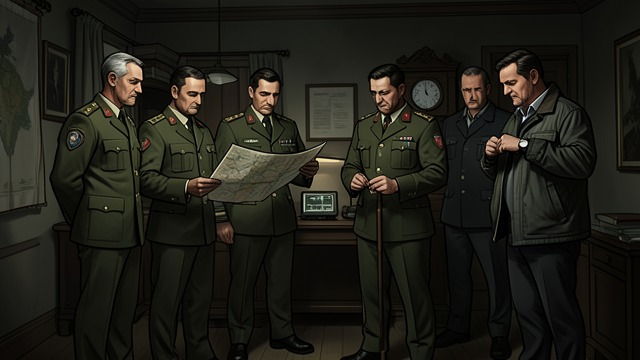
The Grizzled Captain, Affectless Lieutenant, and Bon accept a mission with poor odds. Some see death as preferable to the empty roles available in exile.
The Narrator’s Hesitation
The narrator fears dying and admits that he wants time for ordinary pleasures. His reluctance contrasts with the movement’s rhetoric of selfless duty.
The mission exposes survival as neither cowardice nor victory, but a choice that must be made under unequal and uncertain conditions.
Release Without Freedom
Release Without Freedom
A Door Opens
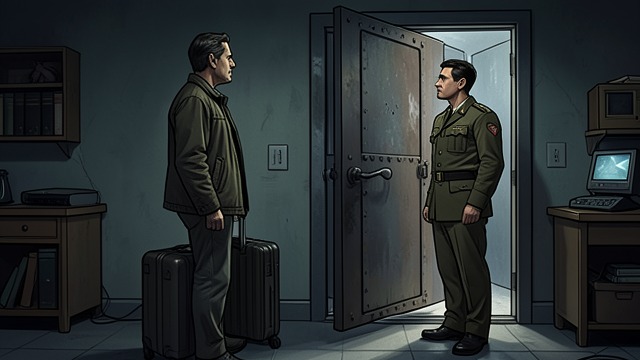
Man arranges for the narrator and Bon to leave the camp by paying officials. The men are released through bribery rather than a public admission that they were wrongly confined.
Exile Continues
Their escape from the camp does not give them a secure life in Vietnam. The ban on yellow music, political surveillance, and threat of further confinement shape their decision to flee again.
Freedom appears as a series of fragile exits rather than a permanent condition granted by a victorious state.
The Final Vow
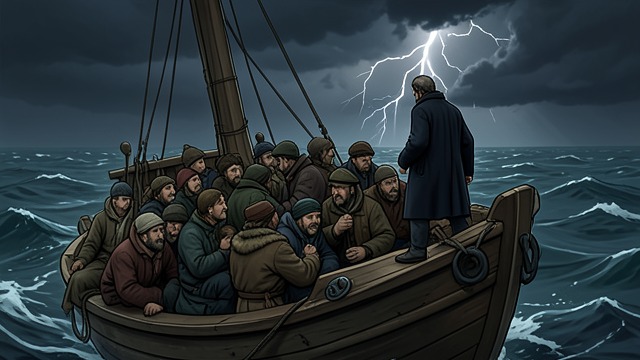
The Final Vow
A Dangerous Passage
The narrator and Bon prepare to cross the sea with the Navigator’s family. The boat is overcrowded, the journey is dangerous, and survival is not promised.
A Chosen Future
The narrator concludes by insisting that they will live. The vow does not guarantee safety or political victory, but it rejects the idea that others may decide their lives are already finished.
The ending makes survival a modest, radical commitment: uncertain, collective, and still open to the possibility of another revolution.
During the narrator’s early revolutionary years
During the final days of Saigon
Before the Laos reconnaissance
After the narrator’s reeducation
The last page, before the planned boat departure
